Rebuilding from the Block Up: Lessons from the Lost Spaces Third Ward Tactical Plan
Neighborhood revitalization is often framed as a capital problem. Our experience in Houston’s historic Third Ward reminded us that it is just as much a coordination and infrastructure problem.
When we began work on what would become the Lost Spaces initiative, the community was not short on vision. Area plans, studies, and well‑intentioned proposals already existed. What was missing was an implementation engine, a way to translate ideas into small, visible, community-rooted action that could rebuild trust and momentum.
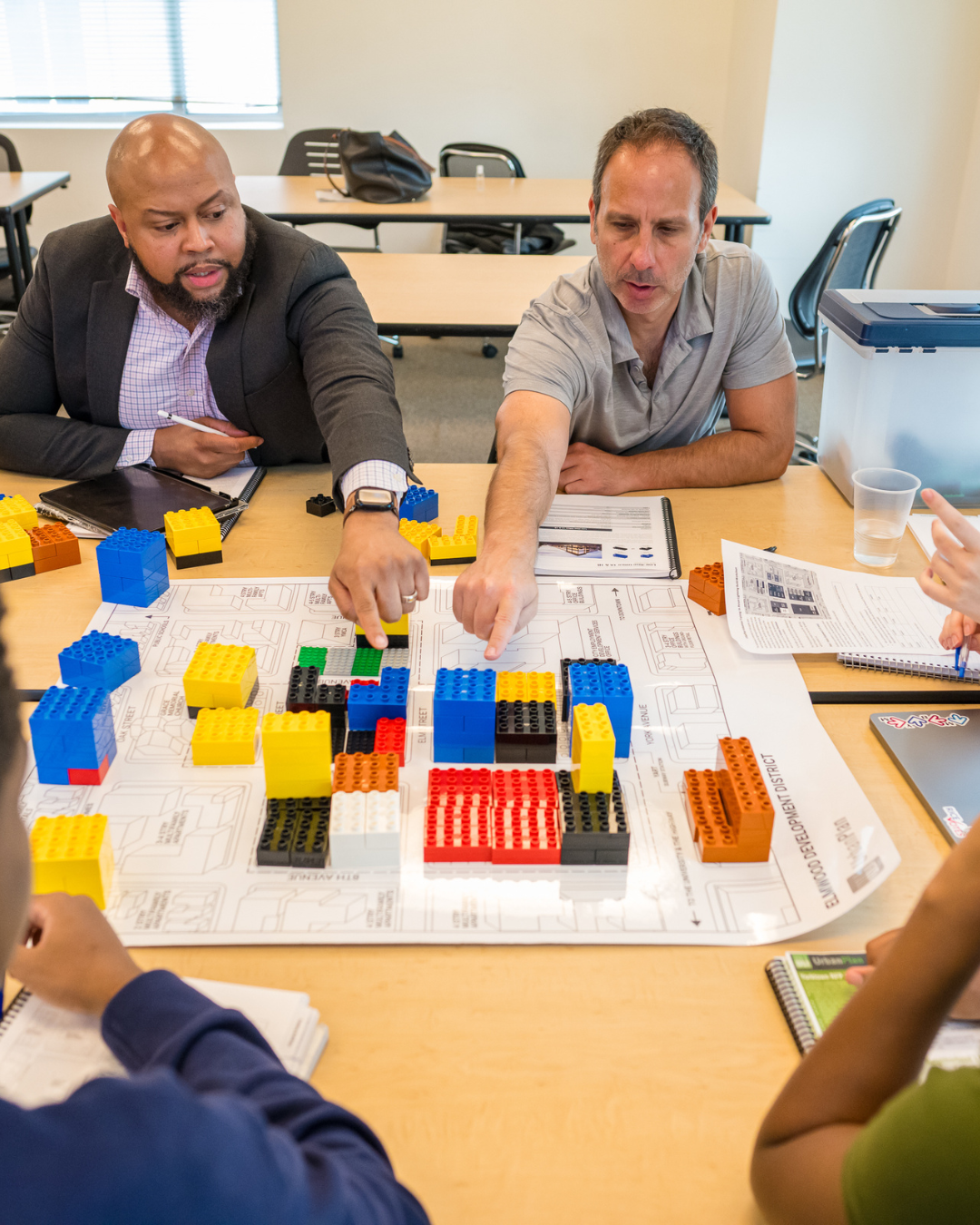
Our advisory role focused on designing that engine. Rather than starting with a single large development, we helped align residents, planners, academics, and development partners around an incremental, tactical approach. We synthesized existing plans into an actionable neighborhood framework, identified near-term pilot opportunities, and built the partnerships necessary to move from discussion to delivery.
One of the most important outcomes was the creation of a nonprofit implementation organization. This entity now serves as a steward for neighborhood-scale projects, programming, and resource alignment. In our experience, this type of local delivery infrastructure is often what separates plans that sit on shelves from initiatives that evolve into living systems.
Over time, Lost Spaces activated more than a dozen community-based projects — from public realm interventions to development concepts — engaging hundreds of residents and collaborators. The work demonstrated that stabilization does not have to begin with large, disruptive projects. It can begin with small wins, local leadership, and clear pathways for action.
For cities and neighborhoods facing similar challenges, our key lesson is this: revitalization requires more than capital and concepts. It requires organizations, processes, and trust-building mechanisms designed specifically for place. Advisors can play a critical role not just in planning, but in helping communities design the systems that make progress possible.